Expanding Advanced Placement (AP) Opportunities for Rural Students
Learning Presentation
Presentation Date:
Presentation Time:
Location:
Handouts
Audiance: ALL
DESCRIPTION:
Every year, rural schools encounter high-potential students whose academic growth is capped by their school’s master schedule or staffing. This session explores how schools can say “yes” to those students.
Advanced Placement (AP) courses open pathways to college credit, academic challenge, and career exploration—but rural schools often face obstacles like limited staffing, low enrollment numbers, and tight budgets. Wisconsin Virtual School (WVS), in partnership with the Wisconsin Department of Public Instruction and the College Board, helps rural schools overcome these barriers and bring AP learning opportunities to their students through high-quality online courses.
In this session, you’ll learn about the Wisconsin Digital Learning Collaborative (WDLC), and hear specifically from WVS, DPI, and the College Board about how virtual learning and strong partnerships are expanding access to rigorous coursework across Wisconsin. Learn how the College Board supports schools in offering AP courses and exams, explore how Wisconsin Virtual School is one option for providing engaging online AP classes taught by certified instructors, and discover how districts can align these opportunities- whether offered locally, regionally, or virtually- with their college and career readiness goals.
We'll share practical strategies for:
Building AP access without hiring additional staff or meeting minimum in-person enrollment numbers.
Supporting students in virtual environments with engaging instruction and wraparound services.
Leveraging College Board resources and tools to maximize student success and credit-earning potential.
Strengthening rural schools’ ability to offer a full academic experience while keeping students connected to their local district.
Streamlining the enrollment and credit-tracking process to expand your course catalog without increasing administrative burden.
Join us to learn how your district can open doors to AP learning—and future college success—through flexible, affordable, and collaborative virtual solutions.
PRESENTER: Meredith Kramer, Director K-12, College Board

Prior to working with the College Board, Meredith Kramer was a school counselor, Director of Student Services and building administrator. She has worked in both the elementary and high school settings, focusing most of her work on data and school assessments. Meredith served in Chicago Public Schools and the northern suburb of Waukegan, IL prior to the College Board. Meredith is the state lead for Wisconsin and supports districts in Illinois as well.
PRESENTER: Jenny Seymour, Executive Director, Wisconsin Virtual School (WVS)
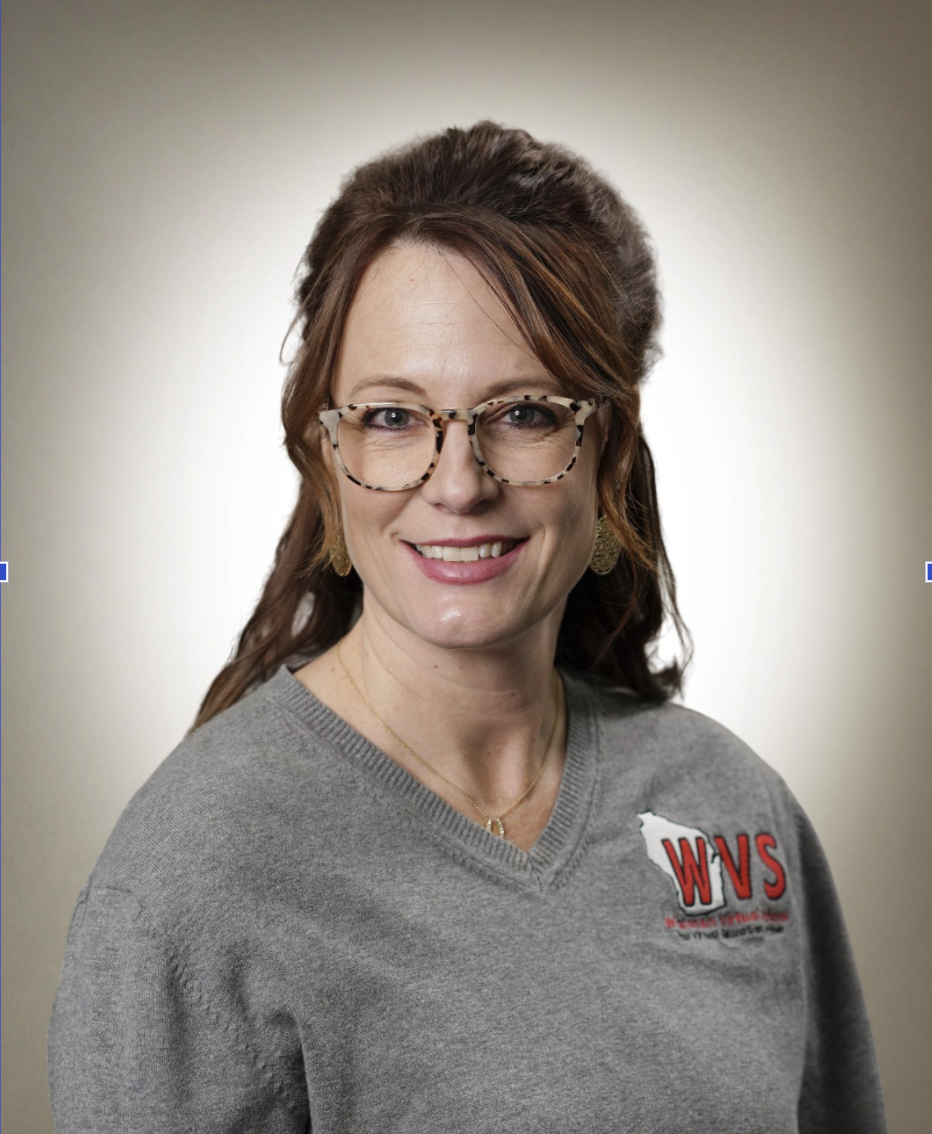
Before assuming the role of Executive Director of Wisconsin Virtual School (WVS), the state-led supplemental digital program based in CESA 9, Jenny Seymour had previously launched a virtual charter school in her local school district. Drawing on her collaboration with WVS, she leveraged this experience to shape her vision. With a background spanning district teacher, administrator, and statewide supplemental program leader roles, Jenny offers a comprehensive perspective to support schools.
PRESENTER: Steve Duffrin, Associate Director, Wisconsin Virtual School (WVS)

Steve Duffrin is a member of the WVS Curriculum team, overseeing Advanced Placement course initiatives at the state-led supplemental digital program based at CESA 9. With over a decade of experience teaching AP courses and extensive expertise in supervising successful virtual instructors, Steve provides strategic support for rigorous online learning statewide. He is driven by the conviction that every Wisconsin student deserves access to the highest quality curriculum and educators, regardless of their zip code.
PRESENTER: Amanda Albrecht, Digital Learning Education Consultant, Wisconsin Department of Public Instruction
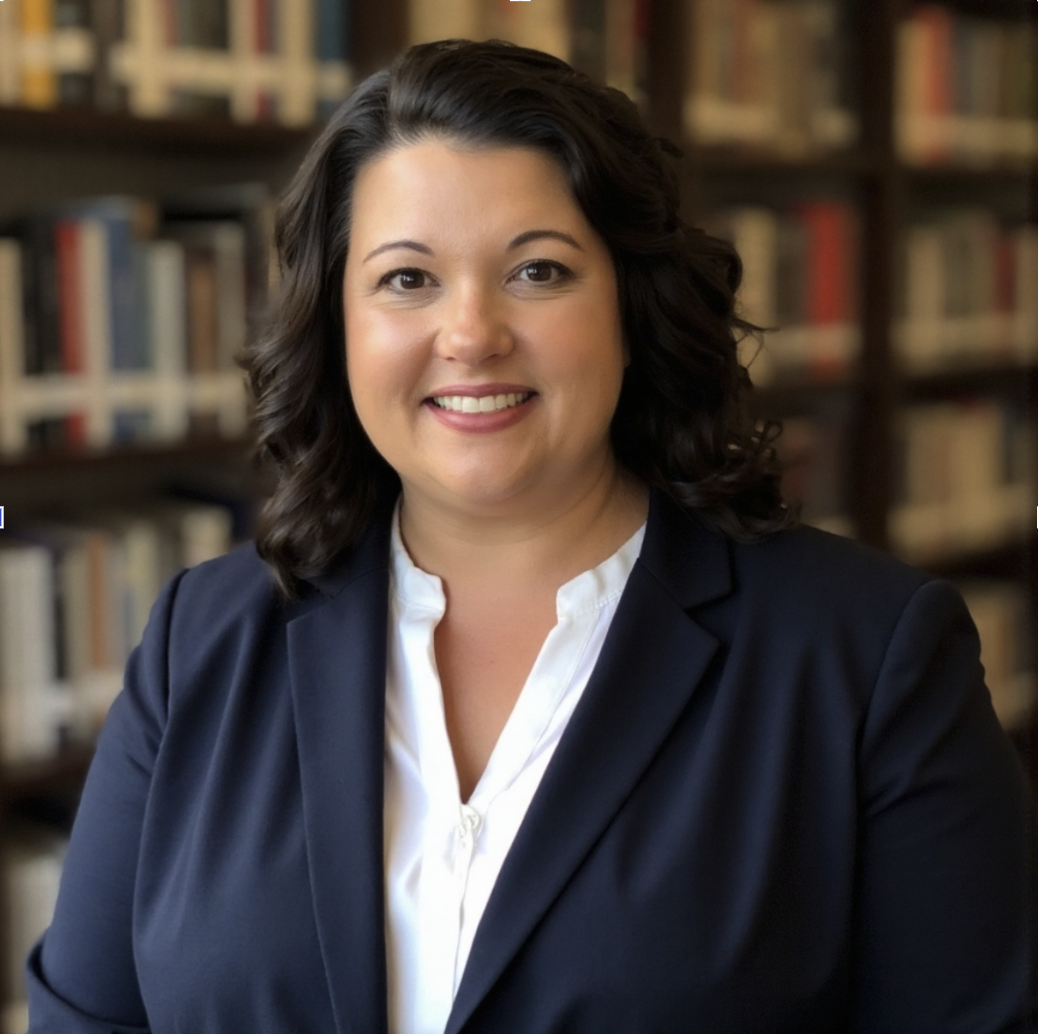
Amanda Albrecht is the Digital Learning Education Consultant with the Wisconsin Department of Public Instruction, focusing on emerging technologies, AI, and instructional innovation. She strives to open doorways for districts and educators that help them see the potential of technology integration within their classrooms.